

Can You Ace This Longevity Literacy Quiz?
Inspired by memorable experience with Palmore’s quiz and Wooden’s sentiment, Barbara Waxman
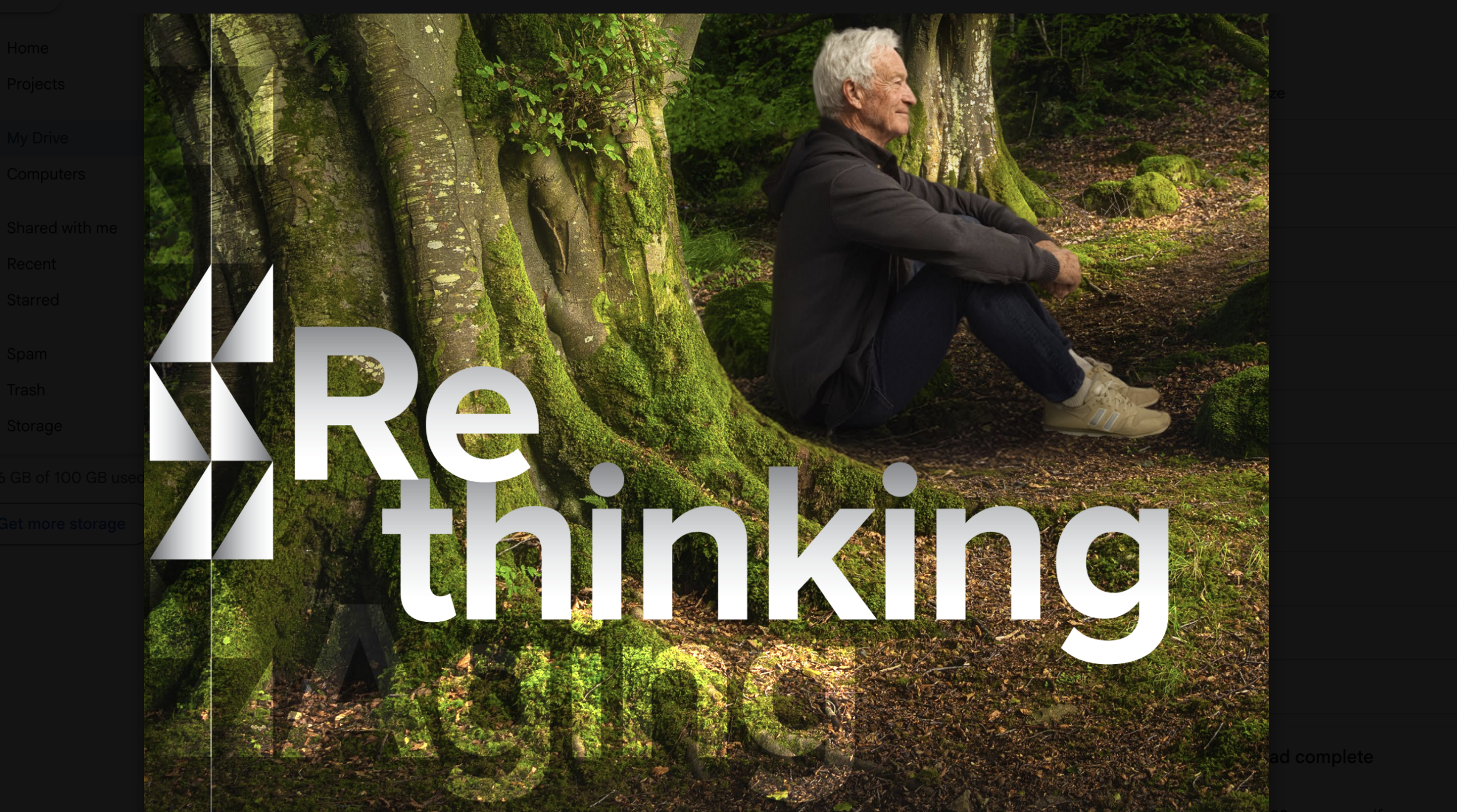
Originally published in CSA Journal, Number 103, Vol. 2, 2026, Society of Certified Senior Advisors.
Recently, I posted a simple question on social media: "Do you want to live to 100? Why or why not?"
The responses came pouring in. Some people were unequivocal: "Absolutely not." In most of these cases, their loved ones endured profound frailty, cognitive decline, or total dependence. For them, extreme old age meant suffering, not possibility.
But roughly 70% responded yes—if.
"If I'm in good mental and physical health."
"If I can stay independent."
"If I'm not a burden."
"If I still have purpose."
These qualifiers reveal something essential: the long game must be worth it. This truth sits at the very heart of the longevity economy—and the work Certified Senior Advisors do every single day.
We are living through a demographic transformation with no historical precedent. According to recent demographic analysis, the fastest-growing segment of the U.S. population is people over age 85, and we now have a five-generation workforce (Harvard Business Publishing Corporate Learning, 2020). People are retiring later, or reinventing themselves entirely (Edward-Jones & Greenwald, 2025). Life expectancy in the U.S. hovers around 78 years, yet our average healthspan, the years lived in good physical, mental, and emotional health, remains only about 66 (Garmany & Terzic, 2024).
That 11+-year gap between lifespan and healthspan has been referred to as "the marginal decade." I prefer a different descriptor: The Trophy Years. If there has ever been a trophy worth earning, this is it—the ability to stay as independent, vibrant, connected, and purposeful as possible in the final decades of life.
Let's be clear: aging isn't all upward curves and rosy narratives. There are real physical changes, emotional transitions, and sometimes unexpected losses. But opportunity also lives in the shadows of change. The work isn't about avoiding aging; it's about becoming our best, fullest selves for as long as possible.
That leads to a powerful question for each of us, and especially for those guiding older adults:
What are we optimizing for?
At the core of longevity is a timeless truth proven by thinkers from Viktor Frankl to Brené Brown: We fail to thrive without purpose, belonging, and connection. We can track key health indicators until we're blue in the face, but if our lives lack meaning, the upgrades don't matter. Knowledge is power, yes, but self-knowledge is the power that changes behavior, expands agency, and helps people create a longevity life plan tailored to who they are.
I call this: being a study of one. Because longevity, when done well, is always personal, reflecting each person's unique circumstances, preferences, and habits. Yet despite decades of scientific advances, several pervasive misconceptions still derail people's chances of living a meaningful, healthy, long life.
1. "Aging Is Synonymous With Decline."
Decline can happen, but diminishment is not inevitable. Older adulthood can be a chapter ripe with potential for creativity, leadership, growth, and contribution.
When I asked people about living to 100, the yeses came with conditions: "If I have purpose… if I can stay connected… if my quality of life is intact."
Exactly. Longevity without quality isn't the goal. Quality is the goal. And fortunately, we now know the levers that matter most.
2. "My Genetics Determine My Fate."
Genetics matter, but far less than most people think. Research shows that less than 20% of our health outcomes are determined by genetics (Castruita et al., 2022). That means more than 80% of how long and how well we live is shaped by the choices we make every day—in other words, our lifestyle.
How we eat, move, manage stress, cultivate relationships, think, sleep, and engage with our communities has a far greater impact than our DNA. This is one reason I've deepened my involvement with institutions such as Stanford Lifestyle Medicine and the American College of Lifestyle Medicine: Lifestyle is medicine. For CSAs, this is a powerful message to reinforce: most of what shapes the aging experience is modifiable.
3. "The Goal Is the Longest Life Possible."
Fear of death can quietly overshadow the joy of living. Some people spend more energy prolonging life than experiencing it. I often say: you can avoid carbs, but you shouldn't avoid connection.
Steve Jobs captured this beautifully when he said:
"Death is very likely the single best invention of life. It is life's change agent."
Embracing mortality deepens gratitude and sharpens purpose, and older adults often take their cues from how we frame this truth.
We often reduce "wellness" to the visible markers: steps, calories, muscle mass, and VO₂ max. But the true drivers of longevity are the ones beneath the surface:
- relationships
- personal growth
- community engagement
- creativity
- joy
The World Health Organization understood this back in 1948 when it defined health as "complete physical, mental, and social well-being, not merely the absence of disease." They later advanced a global action framework for the UN Decade of Healthy Ageing (2021–2030), emphasizing coordinated action to improve the lives of older people, their families, and communities (World Health Organization, 2020).
We now have science, frameworks, and the opportunity to reclaim that vision.
When we clear away the misconceptions about aging, what people are really asking for becomes simple and deeply human: a clear, evidence-based path to living both longer and better. Because aging is multidimensional, frameworks that help people understand where they have agency and how daily choices influence long-term outcomes become powerful guides. The Seven Lifestyle Levers provide that kind of structure: an evidence-based, easy-to-use lens that brings clarity to the many interlocking factors shaping an older adult's well-being.
Grounded in research across geroscience and adult development, and guided by the pillars of Stanford Lifestyle Medicine and the American College of Lifestyle Medicine, each lever is validated and well-established, providing professionals with a dependable baseline for whole-person client insights. For Certified Senior Advisors, the levers offer a practical way to see the whole person, integrate the health, social, and family dynamics at play, and support clients in making decisions that will most meaningfully enhance their quality of life by transforming complexity into clarity.
The seven levers are:
1. Movement
2. Nourishment
3. Renewal
4. Relationships
5. Cognition
6. Purpose
7. Stress Management
More than a checklist, the levers help each of us understand the full context of our lives—the visible habits and the deeper drivers of well-being that determine how we navigate aging.
For CSAs, the levers provide a shared language to illuminate strengths, identify overlooked risks, and guide conversations that support independence, resilience, and quality of life. They help clients see not just where change is possible, and where it will matter most, but also what is most important.
As a Certified Senior Advisor®, you see the whole person. You sit at kitchen tables, in hospital rooms, on front porches, and in planning meetings. You hear the stories, understand the stressors, witness the transitions, and help individuals and families navigate the complexity of aging. Your work supports people as they:
- clarify purpose
- design the next chapter
- navigate care and housing decisions
- maintain independence
- preserve dignity
- stay connected
- find meaning
- understand the trade-offs of aging
What makes a 100-year life worth living? Independence, community, purpose, meaning, and joy. You can skip a workout; you cannot skip purpose. You can cheat on a diet; you cannot cheat your way out of loneliness.
And here's the profound role CSAs play: You help people rewrite what's possible in the final third of life. You help them curate the Trophy Years; not as a period of diminishment, but as a chapter of vitality, contribution, and meaning.
The longevity economy isn't about extending life at all costs. It's about ensuring that the years we gain are infused with what makes life worth living.
The Second Act Economy is here. Experience is the new currency. And with your leadership, people won't just live longer; they will live better.
1. Use the Seven Lifestyle Levers as a Shared Language
Support clients in identifying which lever—Movement, Nourishment, Renewal, Relationships, Cognition, Purpose, or Stress Management—would most meaningfully enhance their daily experience. Start with one shift that feels realistic and aligned with who they are.
2. Reframe Longevity Around Quality, Not Years
Help clients articulate what "worthwhile years" mean to them. Sample prompts:
- "What gives your days meaning?"
- "Where do you feel most connected?"
- "What do you want to protect or regain?"
Framing longevity around purpose creates clarity and reduces fear-based decisions.
3. Normalize Conversations About Energy, Purpose, and Self-Insight
Encourage clients to treat how they feel as data. Explore what restores them, what drains them, and how they want to invest their finite energy—especially during caregiving, retirement, downsizing, or identity transitions.
Castruita, P. A., Piña-Escudero, S. D., Rentería, M. E., & Yokoyama, J. S. (2022). Genetic, social, and lifestyle drivers of healthy aging and longevity. Current Genetic Medicine Reports, 10(3), 25–34. https://doi.org/10.1007/s40142-022-00205-w
Edward-Jones, & Greenwald, J. (2025, September 13). Retired? Not exactly: How today's Americans redefine life after work. Investopedia. https://www.investopedia.com/retired-not-exactly-how-todays-americans-redefine-life-after-work-11808441
Garmany, A., & Terzic, A. (2024). Global healthspan–lifespan gaps among 183 world regions: United States experiences the largest deficit. JAMA Network Open.
Harvard Business Publishing Corporate Learning. (2020). Unlocking the benefits of multigenerational workforces.
World Health Organization. (2020). Decade of healthy ageing: Plan of action (2021–2030). World Health Organization.
Inspired by memorable experience with Palmore’s quiz and Wooden’s sentiment, Barbara Waxman

Barbara Waxman explores five common misconceptions about longevity and wellbeing.
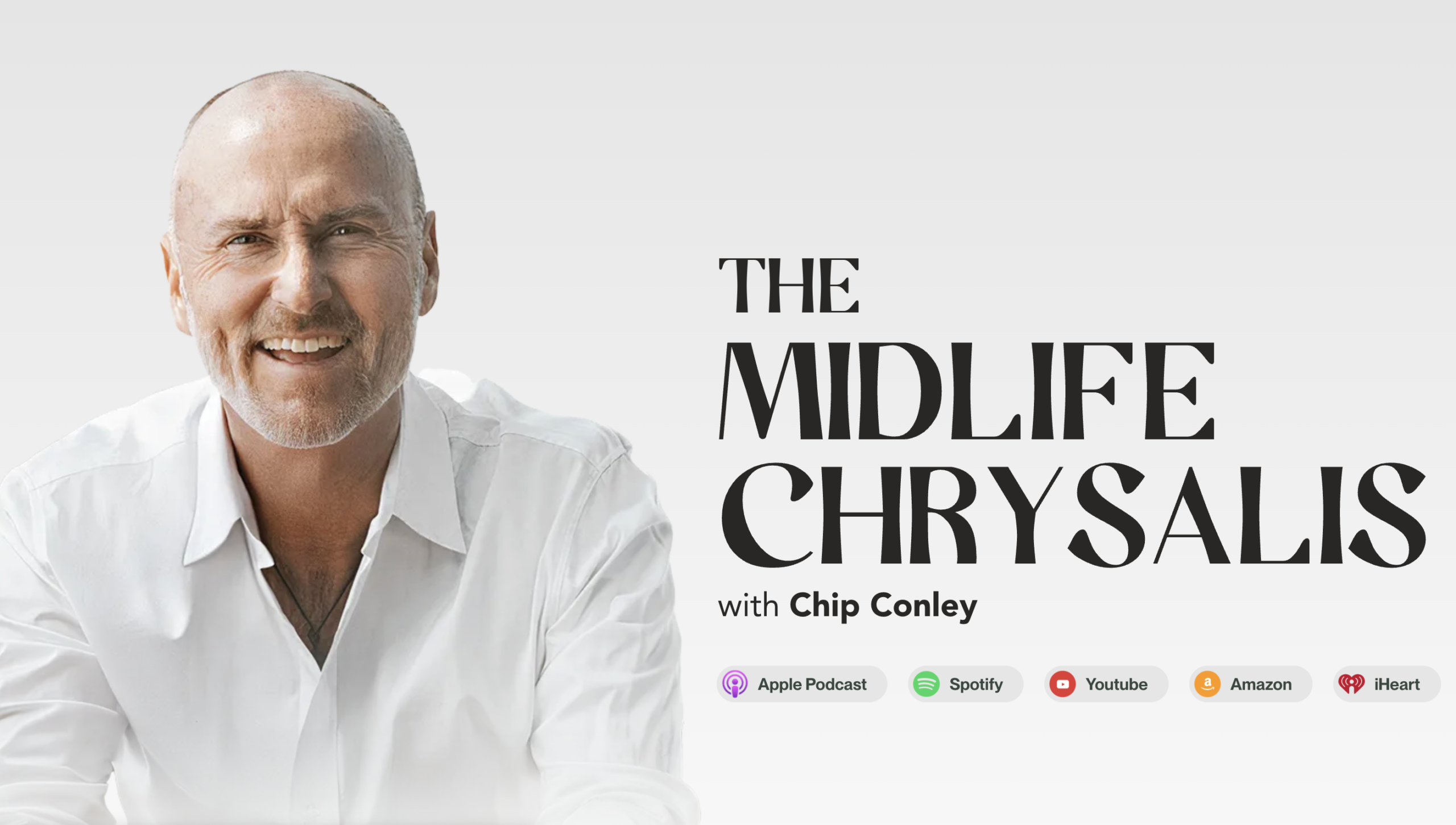
In this inspiring episode of The Midlife Chrysalis Podcast with Chip Conley,
![Study of One Approach: Why I Returned My Oura Ring [Longevity Literacy Collection]](https://barbarawaxman.com/wp-content/uploads/2024/10/March_NL_Quote_Juliet-Starrett.jpg)
Each of us has a reservoir at different levels in different areas
